

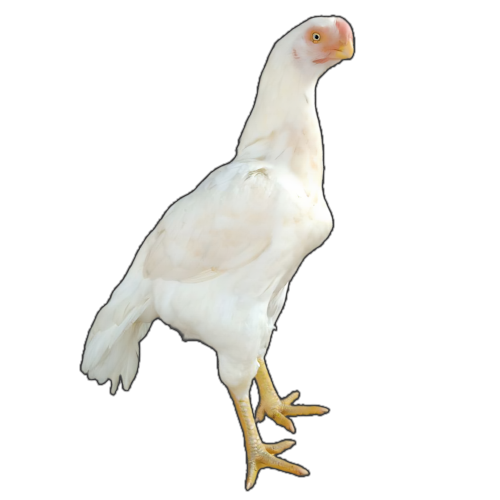
Feeding laying hens a balanced diet is essential to ensure good egg production, strong eggshell quality, and overall bird health. The diet should provide the right mix of proteins, carbohydrates, fats, vitamins, and minerals to meet their physiological needs. Here’s a detailed guide on the best food for laying hens.
1. Nutritional Requirements of Laying Hens
Laying hens have specific nutritional needs to maintain optimal health and egg-laying performance. The primary nutrients they require include:
- Protein: Essential for muscle development, feather growth, and egg production. A laying hen’s diet should contain about 16-18% crude protein.
- Carbohydrates: Provide energy for daily activities and egg production. Corn, wheat, and barley are common carbohydrate sources.
- Fats: Help in energy storage and absorption of fat-soluble vitamins. Soybean oil and other vegetable oils can be included in the diet.
- Vitamins:
- Vitamin A: Supports growth, immune function, and reproductive health.
- Vitamin D: Crucial for calcium absorption and eggshell formation.
- Vitamin E: Supports immune function and prevents deficiencies.
- Vitamin B-complex: Helps with metabolism and nervous system function.
- Vitamin A: Supports growth, immune function, and reproductive health.
- Minerals:
- Calcium: Necessary for strong eggshells; must be provided at around 3.5-4% of the diet.
- Phosphorus: Works with calcium for bone strength and eggshell formation.
- Sodium: Maintains fluid balance and overall health.
- Calcium: Necessary for strong eggshells; must be provided at around 3.5-4% of the diet.
2. Types of Feeds for Laying Hens
A. Commercial Layer Feed
Commercially available layer feed is specially formulated to provide all the essential nutrients for egg-laying hens. It comes in three forms:
- Mash: A finely ground feed that some chickens may find difficult to eat.
- Pellets: Compressed feed that reduces waste and is easy to eat.
- Crumble: A middle-ground between mash and pellets, providing an easy-to-consume texture.
B. Grain Mixes
Whole grains like corn, wheat, barley, and sorghum can be fed to laying hens. However, they should be balanced with other nutrients since grains alone do not provide adequate protein and minerals.
C. Protein Supplements
Since hens require high levels of protein, supplements such as soybean meal, fish meal, mealworms, and black soldier fly larvae can be provided to boost protein intake.
D. Calcium and Grit
- Oyster shells or limestone should be available at all times to ensure hens get enough calcium for strong eggshells.
- Grit (small stones) helps chickens digest their food properly, especially when they consume whole grains.
E. Kitchen Scraps and Vegetables
Laying hens can benefit from vegetable scraps, but not all human food is safe. Suitable options include:
- Leafy greens (lettuce, spinach, kale)
- Fruits (apples, berries, melons – no seeds)
- Vegetables (carrots, cucumbers, pumpkins)
Avoid feeding avocado, chocolate, onions, raw potatoes, or processed foods, as they can be toxic to chickens.
3. Feeding Schedule for Laying Hens
A proper feeding schedule ensures hens get adequate nutrients throughout the day.
- Morning Feed: Provide a balanced commercial layer feed or grain mix with supplements.
- Afternoon Treats: Offer greens, kitchen scraps, or protein-rich snacks.
- Evening Feeding: Ensure they have access to layer feed and calcium sources like oyster shells.
Clean, fresh water must always be available, as dehydration can severely impact egg production.
4. Seasonal Considerations in Feeding
Hot Weather
- Provide more wet foods (fruits and vegetables) to keep hens hydrated.
- Reduce high-energy grains like corn, as they produce body heat.
Cold Weather
- Increase energy-rich grains like corn to help maintain body warmth.
- Provide additional protein sources to support molting.
5. Common Feeding Mistakes to Avoid
- Overfeeding treats: Too many treats can lead to obesity and reduced egg production.
- Not providing enough calcium: Results in weak eggshells and brittle bones.
- Dirty or contaminated feed: Always store feed properly to prevent mold and spoilage.
- Inconsistent feeding schedule: Can stress hens and reduce laying consistency.
Conclusion
Providing a well-balanced diet for laying hens is crucial for their health and egg production. A combination of commercial layer feed, grains, protein supplements, and natural calcium sources ensures hens get the nutrients they need. By maintaining a proper feeding schedule and avoiding harmful foods, you can ensure a steady supply of high-quality eggs from your flock.
